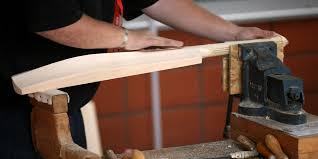
The Ultimate Guide to Different Types of Wood Used in Cricket Bats: English Willow, Kashmir Willow, and BeyondChoosing the right cricket bat can make or break your game. While factors like weight, handle shape, and sweet spot matter, the single most important element is the wood. Cricket bats are almost exclusively made from willow for a reason: it delivers the perfect blend of lightness, shock absorption, and that signature “ping” when leather meets willow. But not all willow is created equal. In this comprehensive 1,500+ word guide, we’ll break down the different types of wood used in cricket bats, compare their performance, and help you decide which is best for your level and budget.Whether you’re a club player in Australia smashing leather balls on hard pitches or a junior starting out with tennis balls, understanding willow types will help you buy smarter and play better. We’ll also spotlight three standout products from BigCricketStore.com that showcase these woods in action.A Brief History of Cricket Bat WoodCricket bats have been made from willow since the 18th century. Early bats were simple blocks of wood, but by the late 1800s, the flat-faced willow blade we know today became standard. The MCC laws of cricket (updated in 1979) require bats to be made from wood, and willow quickly became the only practical choice.The preferred species is Salix alba var. caerulea — commonly called cricket-bat willow. It grows fast, has a straight grain, and contains natural oils that make it resilient to repeated impacts. English willow trees are traditionally grown in the wet, clay-rich soils of Essex and Suffolk in the UK. After 15–20 years, the trunks are felled, split into “clefts,” and seasoned for months before shaping. This slow process creates the high-performance bats used by professionals.Not every willow tree is suitable, though. Only a tiny percentage of harvested willow meets pro standards, which is why premium bats command premium prices.English Willow: The Gold Standard for PerformanceEnglish willow is universally regarded as the best wood for serious cricket. It is lighter (typically 2.7–3.0 lbs for a full-size adult bat), has excellent compression qualities, and produces superior rebound. When you strike the ball cleanly, the wood “gives” slightly then springs back, sending the ball further with less effort — that famous “ping.”Key characteristics:
- Colour: Pale white to creamy, sometimes with a slight golden tint after oiling.
- Grain: Straight, with 5–12 grains across the face (more grains often indicate better quality, though straightness matters more than count).
- Density: Lower density than Kashmir willow, making the bat easier to swing for longer innings.
- Grades: English willow is graded 1–4 (or A–D by some makers). Grade 1 is the highest: minimal knots, perfect straight grain, and maximum performance. Grade 2–3 are still excellent for club players, while lower grades suit practice or juniors.
- Superior power and timing
- Lightweight for quick bat speed
- Excellent feel and feedback
- Ideal for all formats — Test, ODIs, and T20
- More expensive
- Requires proper “knocking in” (hundreds of ball strikes with a mallet) to harden the face
- Less forgiving if misused — can crack or splinter on very hard pitches without care
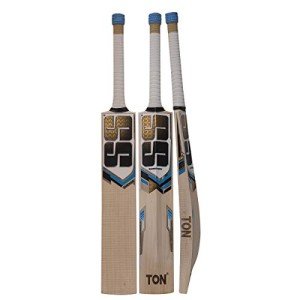
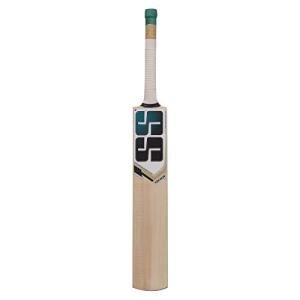
SS Custom English Willow Cricket Bat for Men
Perfectly balanced for an unbeatable performance on the field
Product information
$177.71
Product links
Kashmir Willow: Affordable Power and DurabilityKashmir willow comes from the same Salix alba family but is grown in the cooler, mountainous regions of Kashmir in northern India. Different soil, climate, and growing conditions produce a denser, harder wood.Key characteristics:
- Colour: Naturally darker — light brown to reddish tones
- Density: Higher than English willow, so the bat feels slightly heavier and more solid
- Grain: Often straighter and tighter but can vary more
- Price: Significantly cheaper (often 40–60% less than comparable English willow bats)
- Extremely durable — resists cracking and lasts longer with minimal maintenance
- Great value for money
- Performs well with both leather and tennis balls
- Forgiving for beginners and hard-hitting styles
- Heavier feel (often 2.8–3.2 lbs)
- Slightly less “ping” and rebound compared to English willow
- Smaller sweet spot in lower-quality models
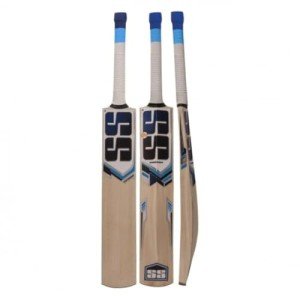
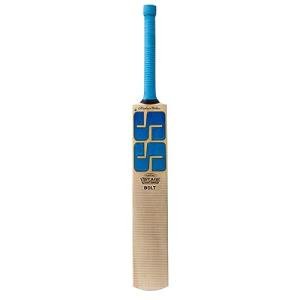
SS Extreme Kashmir Willow Cricket Bat
Experience unmatched performance and precision with the SS Extreme Kashmir Willow Cricket Bat designed for every level of play
Product information
$110.00
Product links
Other Woods and Modern AlternativesWhile willow dominates (and is the only wood most governing bodies effectively endorse for high-level play), a few alternatives exist:
- Bamboo: Experimental laminated bamboo bats have shown promising results in lab tests — stronger, more consistent, and environmentally friendly. They can be thinner and lighter while matching willow performance, but they’re not yet mainstream or widely available.
- Poplar or other softwoods: Occasionally used in cheap training bats, but they lack the resilience of willow and are not recommended for serious play.
- Composite materials: Many stores (including BigCricketStore.com) offer fibreglass-reinforced or foam-core composite bats. These are not “wood” but combine a thin willow face with synthetic backing for extra durability and power. They’re excellent for juniors or heavy-use training but fall outside traditional wood categories.
- Skill Level: Beginners and juniors — Kashmir willow for durability and value. Intermediate to advanced — English willow for performance.
- Playing Style: Aggressive T20 hitters often prefer the lighter English willow for speed. Defensive or all-round players may enjoy the solid feel of Kashmir.
- Budget: Under $100? Kashmir willow delivers excellent results. $150+? Invest in English willow.
- Ball Type & Conditions: Leather balls on turf — English willow excels. Tennis balls or hard nets — Kashmir willow is tough enough.
- Weight & Balance: Always try before you buy if possible. English willow usually allows lighter overall weights.
- Maintenance Commitment: English willow needs more care (oiling, knocking in). Kashmir is more low-maintenance.
- Knock in new bats gradually (20–30 hours of use recommended).
- Apply raw linseed oil sparingly (2–3 light coats, letting it dry between).
- Use an anti-scuff sheet or bat tape on the face and edges.
- Store in a cool, dry place — avoid direct sun or car boots.
- Never use on concrete without protection.
- “English willow is always better.” Not for everyone — many club players get more value and longevity from Kashmir.
- “Heavier bats hit harder.” False. Technique and sweet-spot contact matter far more than raw weight.
- “All Kashmir willow is poor quality.” High-grade Kashmir from reputable makers like SS performs surprisingly close to English willow for most amateur games.